When most people think of mirrors, they imagine a bathroom mirror or a decorative wall accent. However, mirrors can do far more than simply reflect an image. Through clever designs and an understanding of light, mirrors can create stunning optical illusions that seem to bend reality, add depth to small spaces, and transform ordinary objects into captivating works of art.
Whether you’re a DIY enthusiast, educator, artist, or technology hobbyist, mirror projects offer endless opportunities for creativity. From infinity mirrors that appear to stretch forever to smart mirrors that display digital information, these projects demonstrate how reflective surfaces can be used to create experiences that amaze and inspire.
If you’re looking for your next build, here are five incredible mirror projects that showcase the fascinating science of reflection and optics.
1. Infinity Mirrors: Creating the Illusion of Endless Depth
The infinity mirror is perhaps the most iconic mirror illusion ever created. By placing LED lights between a fully reflective mirror and a partially reflective two-way mirror, you can create the appearance of an endless tunnel stretching into the distance. The repeated reflections gradually fade, creating a mesmerizing illusion of infinite depth.
Infinity mirrors have become popular in home décor, gaming setups, retail displays, and interactive art installations because they transform a relatively shallow space into what appears to be a portal to another dimension.
Why It Works
Light bounces repeatedly between the two mirrors. Each reflection becomes slightly dimmer than the last, creating the illusion that the tunnel continues forever.
2. The True Mirror (Non-Reversing Mirror)
A traditional mirror reverses your image from left to right. While we’re accustomed to seeing ourselves this way, it’s not actually how other people see us.
A true mirror, also known as a non-reversing mirror, uses two mirrors positioned at a precise 90-degree angle. This arrangement eliminates the reversal effect, allowing you to see a more accurate representation of your appearance.
Many people find the experience surprisingly eye-opening. Facial features that seemed perfectly symmetrical in a standard mirror may appear different in a true mirror.
Educational Value
Among all mirror projects, true mirrors are excellent demonstrations of how reflection works. They’re often used in science museums, photography studios, and educational environments to teach concepts related to optics and perception.
3. First Surface Mirror Kaleidoscopes
Kaleidoscopes have fascinated people for generations, but not all kaleidoscopes produce the same quality reflections.
Most standard mirrors have their reflective coating behind a layer of glass. This design can create faint secondary reflections known as ghosting. First surface mirrors eliminate this issue by placing the reflective coating directly on top of the glass surface.
The result is a cleaner, sharper reflection that is ideal for optical applications.
Why First Surface Mirrors Matter
When building kaleidoscopes, every reflection contributes to the final image. Even minor distortions can affect the visual effect. First surface mirrors produce crisp, accurate reflections that create vibrant geometric patterns and symmetrical designs.
Additional First Surface Mirror Projects
Besides kaleidoscopes, first surface mirrors can be used for:
- Periscopes
- Optical experiments
- Laser projects
- Photography applications
- Scientific instruments
- Art installations
These types of mirror projects are especially popular in STEM education because they demonstrate real-world optical principles in an engaging way.
4. Mirror TVs and Smart Mirrors
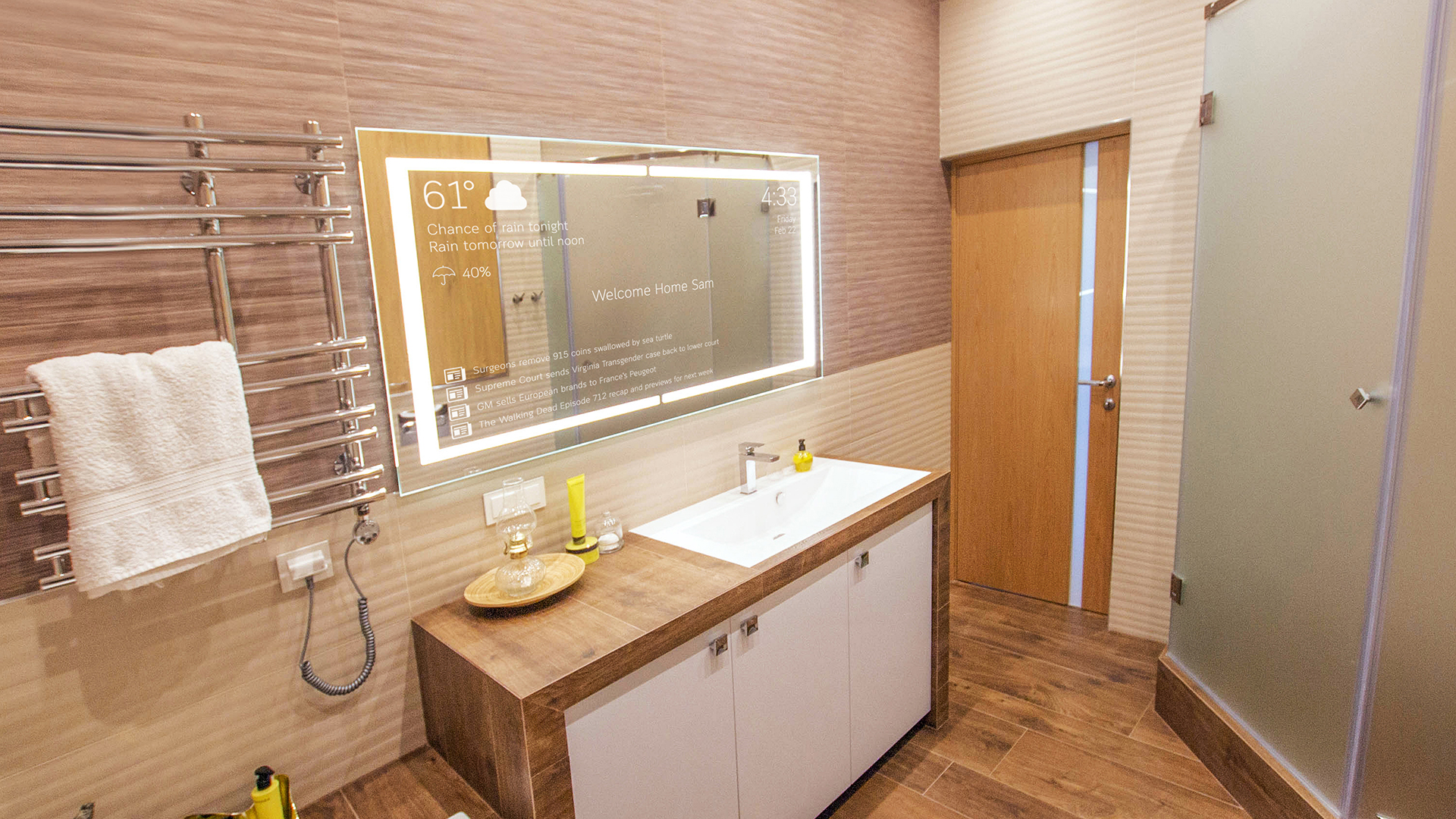
What if your mirror could show the weather, display your calendar, stream television, or provide fitness metrics while you exercise?
Smart mirrors and mirror TVs combine modern technology with reflective glass to create a sleek, futuristic experience.
A two-way mirror allows a digital display to remain hidden behind the reflective surface. When the screen is off, the mirror looks completely normal. When activated, information appears through the glass while maintaining much of the mirror’s reflective appearance.
Popular Applications
Smart mirrors and mirror TVs are commonly found in:
- Luxury bathrooms
- Home gyms
- Hotels
- Retail stores
- Salons
- Smart homes
As technology becomes more accessible, these mirror projects have become increasingly popular among DIY builders looking to create custom home automation systems.
5. Pepper’s Ghost Illusions
One of the oldest mirror-based illusions is still one of the most impressive.
Pepper’s Ghost uses reflective glass or a partially reflective mirror positioned at a specific angle to make objects appear to float in midair. The illusion has been used in theaters, museums, haunted attractions, and modern hologram-style displays.
Although often described as holograms, many of these displays are actually carefully engineered mirror reflections that create realistic floating images.
Why Mirror Projects Are So Fascinating
The appeal of mirror projects lies in their ability to transform ordinary materials into extraordinary experiences. Unlike many visual effects that require complex electronics or computer software, mirror illusions are rooted in the fundamental behavior of light.
By understanding reflection, transmission, and perspective, you can create installations that appear to defy reality. Whether you’re building an infinity mirror, designing a smart mirror, constructing a kaleidoscope, or experimenting with optical illusions, mirrors offer endless possibilities for creativity and innovation.
Getting Started with Your Own Mirror Projects
If you’re new to working with mirrors, start with a simple project that allows you to explore the basics of reflection and light. Infinity mirrors and kaleidoscopes are excellent beginner-friendly options, while smart mirrors and Pepper’s Ghost displays offer more advanced challenges.
The key to successful mirror projects is choosing the right materials. High-quality two-way mirrors, first surface mirrors, and optical glass can dramatically improve the final result and create cleaner, more convincing illusions.
The next time you look into a mirror, remember that you’re not just seeing a reflection—you’re looking at one of the most powerful tools for creating optical illusions and unforgettable visual experiences.